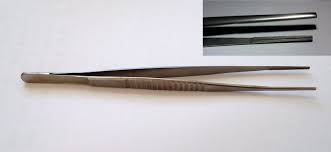
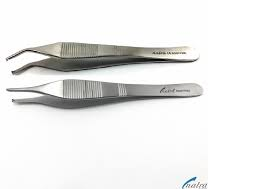
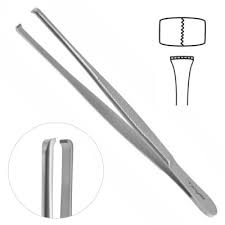
Forceps play a vital role in virtually every medical procedure, serving as indispensable instruments. Available in diverse shapes and sizes, each forceps variant serves a unique purpose. The selection of appropriate surgical forceps is crucial for medical practitioners to guarantee optimal performance throughout the procedure. Additionally, the preference for high-quality medical forceps, crafted from medical-grade stainless steel with precision, is imperative.In this discussion, we will explore distinct types of surgical forceps and their specific applications in the healthcare domain. Before delving into the various forceps types, it is essential to comprehend the nature of these surgical instruments.
What are Surgical Forceps?
Surgical instruments forceps are must-have medical tools primarily used for
- Manipulating tissues
- Grasping and holding tissues
- Bone reduction
- Holding dressings and other material
- Clamping blood vessels
What Are the Different Types of Surgical Forceps?
These specialized surgical instruments are available in multiple variations to fulfill medical professionals' needs.
Let’s overview different types!
Thumb Tissue Forceps
Thumb Tissue Forceps are specially designed surgical instruments for grasping, holding, and manipulating tissues. These are non-ratcheting forceps, so surgeons have to open and close them by squeezing the handles together. This makes them ideal for delicate procedures where precise control is needed.
Thumb tissue forceps have serrated tips that help to grip tissue securely without damaging it.
Additionally, the serrations help prevent the tissue from slipping out of the forceps during use.
These forceps are available in various lengths to accommodate user preferences and surgical procedures.
They are commonly used in:
- General surgery
- Orthopedic surgery
- Gynecological surgery
- Plastic surgery
Babcock Forceps
These surgical forceps types have a special design to grasp and hold delicate tissues. These feature triangle-shaped fenestrated jaws that prevent damaging the tissue they are grasping. Surgeons prefer these forceps for laparotomy and intestinal procedures, where it is important to avoid damaging the tissue.
Babcock Forceps have a long shaft with a ratcheting mechanism to lock them in place.
This makes them ideal for grasping and holding tissue that is difficult to control, such as intestines or large blood vessels.
These medical forceps are suitable for use in different procedures, including:
- Laparotomy
- Intestinal surgery
- Gynecological surgery
- Urology
- Vascular surgery
Uterine Dressing Forceps GYN
Uterine dressing forceps GYN are a type of surgical forceps used to grasp and hold delicate tissue in gynecological procedures. They have atraumatic jaws serrated on the inner surface.
Uterine Dressing Forceps GYN are used in various gynecological procedures, including hysteroscopy, dilation and curettage (D&C), endometrial biopsy, myomectomy, and ovarian cystectomy.
Moreover, these forceps are made of high-quality stainless steel that is durable and easy to clean.
Kelly Hemostatic Forceps
Kelly Hemostatic Forceps have an ideal design for grasping and clamping blood vessels during different surgeries. They have a long, straight shaft with smooth jaws curved slightly at the tips.
Surgeons can easily insert these forceps into narrow spaces and grasp small vessels securely.
Kelly hemostatic forceps are useful in various procedures, including general and gynecological surgery.
DeBakey Forceps
DeBakey Forceps are commonly used in cardiovascular, vascular, and other microsurgical procedures where delicate tissue handling is crucial.These forceps are designed with precision and finesse, making them suitable for delicate surgical tasks.
The distinctive feature of DeBakey Forceps is their fine, gently curved jaws that allow for atraumatic manipulation of tissues and blood vessels.
Allison Tissues Forceps
Allison Tissue Forceps, also known as Allison Lung Grasping Forceps, are specialized surgical instruments used in thoracic and cardiovascular surgeries. These forceps have a unique design with long, slender jaws that have multiple serrations along their length.
This ergonomic design enables them to securely grasp and hold delicate tissues, particularly lung tissues, without causing excessive trauma.
The serrated jaws provide a firm grip, reducing the risk of slippage during procedures.
Carmalt Forceps
Carmalt Forceps are designed with hinged jaws with transverse serrations running along the length. Their use is common in general surgery, obstetrics, and gynecology.The serrations of the forceps’ jaws aid in securely gripping tissues, vessels, or other bodily structures, making them suitable for clamping and controlling blood flow during surgeries.
These surgical forceps come in various sizes, allowing surgeons to choose the appropriate instrument based on the specific procedure's requirements.
Adson Forceps With Teeth
Adson Forceps With Teeth are used to grasp and hold delicate tissue. They feature atraumatic jaws with a single row of teeth on one side. So these forceps provide enough grip to prevent the tissue from slipping out.
Adson forceps are useful in
- General surgery
- Orthopedic surgery
- Gynecological surgery
- Plastic surgery
Tenaculum Forceps
Tenaculum Forceps are specially designed for grasping and holding tissue, blood vessels, or the uterus or cervix during various gynecological procedures. These forceps have sharp, pointed jaws that help pierce the tissue and then grasp it securely.
These are ideal for holding tissue that is difficult to control, such as the cervix or the uterus.
Tenaculum forceps are typically helpful in more delicate procedures, such as D&C and hysteroscopy.
Cervical Biopsy Forceps
These forceps are used to obtain a small tissue sample from the cervix for diagnostic purposes. The sharp, cup-shaped jaws of these Biopsy Forceps types aid in piercing the cervix and then grasping a small piece of tissue.
Surgeons need these forceps in various procedures, including colposcopy, cervical cancer screening, evaluation of abnormal pap smear results, and management of cervical dysplasia.
Moreover, these forceps are safe and gentle on tissue, making them an excellent choice for delicate procedures.
Martin Tissue Forceps
Martin Tissue Forceps are specially designed for grasping and holding medium-weight tissue. Their serrated jaws help grip the tissue securely without damaging it.
The serrations also help to prevent the tissue from slipping out of the forceps during use.
Martin tissue forceps aid surgeons in a variety of procedures, including:
- Gynecological surgery
- Urology
- Vascular surgery
- Plastic surgery
Additionally, German stainless steel makes these forceps surgical instruments sterilizable for reuse.
Dressing Forceps Serrated
Dressing Forceps Serrated are specialized surgical forceps for grasping and holding dressings, sponges, and other small objects. Their serrated jaws grip the objects securely without damaging them. These forceps have common use for
- Dressing changes
- Wound packing
- Surgical procedures
- Laboratory work
To accommodate surgeons’ needs, these medical forceps are available in various lengths.
Bone Reduction Forceps
These surgical forceps types help hold bone fragments during orthopedic procedures. These are designed to grip bone securely without damaging it. The jaws have serrations to provide a better grip on the bone.
Bone Reduction Forceps are helpful in various orthopedic procedures, including:
- Fracture reduction
- Bone grafting
- Joint replacement
- Spinal surgery
Furthermore, the ergonomic design of these forceps allows for precise control during procedures.
Kocher Hemostatic Forceps
Kocher Hemostatic Forceps are ideal for clamping and controlling bleeding vessels during surgery. They feature jaws that are serrated on one side and smooth on the other. The serrated side grasps the vessel, and the smooth side applies pressure to stop the bleeding during general, gynecological, urology, vascular, and neurosurgery.
Moreover, these forceps are made of high-quality stainless steel that is durable and easy to clean. Additionally, their ratcheting mechanism feature allows them to be locked in place.
Discover the Surgical Forceps You're Searching For!
We've got a variety of options for those medical forceps you're looking for.At SURGICAZAL, we take pride in being your go-to source for top-notch medical instruments.Our instruments, made from high-quality German stainless steel, are carefully crafted, following the FDA's guidelines to ensure precision.
We get it – we know what medical professionals need, and we design our instruments with that in mind.
Take a look through our catalog, let us know what you're looking for, and don't forget, we can even customize our instruments to fit your specific needs. Your satisfaction is our priority!